Join Us at CTAD26: Advancing Alzheimer's Disease Clinical Research Together
The 19th Clinical Trials on Alzheimer's Disease (CTAD) Conference will convene in Boston, USA, from November 16–19, 2026. For those of us who have watched our field transform over the past two decades, there is something fitting about returning to Boston — a city that has long been at the heart of Alzheimer's research — at what feels like a genuinely pivotal moment.
Since its founding in 2008, CTAD has grown into the premier global forum dedicated exclusively to Alzheimer's disease clinical research. What has always set CTAD apart is its format: all sessions take place in a single main ballroom, so that every investigator, clinician, industry scientist, and regulatory expert in attendance shares the same presentations and the same conversations. In a field where translation from bench to bedside depends on true interdisciplinary exchange, that shared experience matters. Some of the most consequential discussions I have witnessed in our field have happened in the hallways and roundtables during CTAD.
CTAD25 in San Diego offered a comprehensive picture of where the Alzheimer’s clinical trials now stand. More than 2,850 international experts gathered to examine emerging data and evolving strategies across the full spectrum of Alzheimer's research. Sessions addressed disease-modifying therapies, gene- and cell-based approaches, vaccines, digital tools, and multimodal interventions, reflecting how far we have come but also how much remains to be done.
CTAD26 in Boston will carry that momentum forward. The questions we will be asking are more focused than even a few years ago: How do we define who needs to be treated with what and when? Who will benefit most from early intervention? How do we optimize combination approaches, not just tau and amyloid but including other emerging therapeutic mechanisms? What do biomarkers tell us about individualized disease trajectories that can inform more efficient trial design? These are the conversations that CTAD seeks to nurture and more…
I hope you will join us in Boston this November. We have made tremendous progress in Alzheimer’s disease research due to the unwavering commitment of this community, and the open, cross-disciplinary collaborations that CTAD is designed to foster. There is no better place to continue that work than here in Boston, and we look forward to welcoming you all.
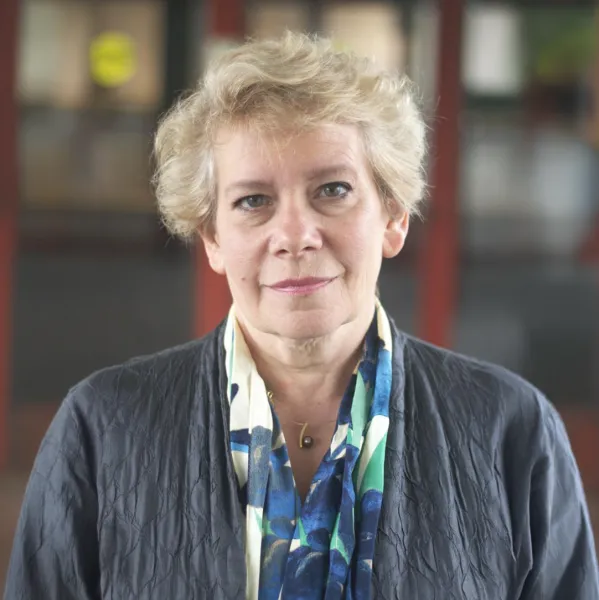
Reisa Sperling, MD
CTAD 2026
Harvard Medical School,
Brigham and Women's Hospital
Boston, MA (United States)